How long should a high-value article about format job descriptions for better organic be?
Length should follow user intent. In most cases, 700 to 1,200 words with clear sections, examples, and practical steps is stronger than a short generic post.
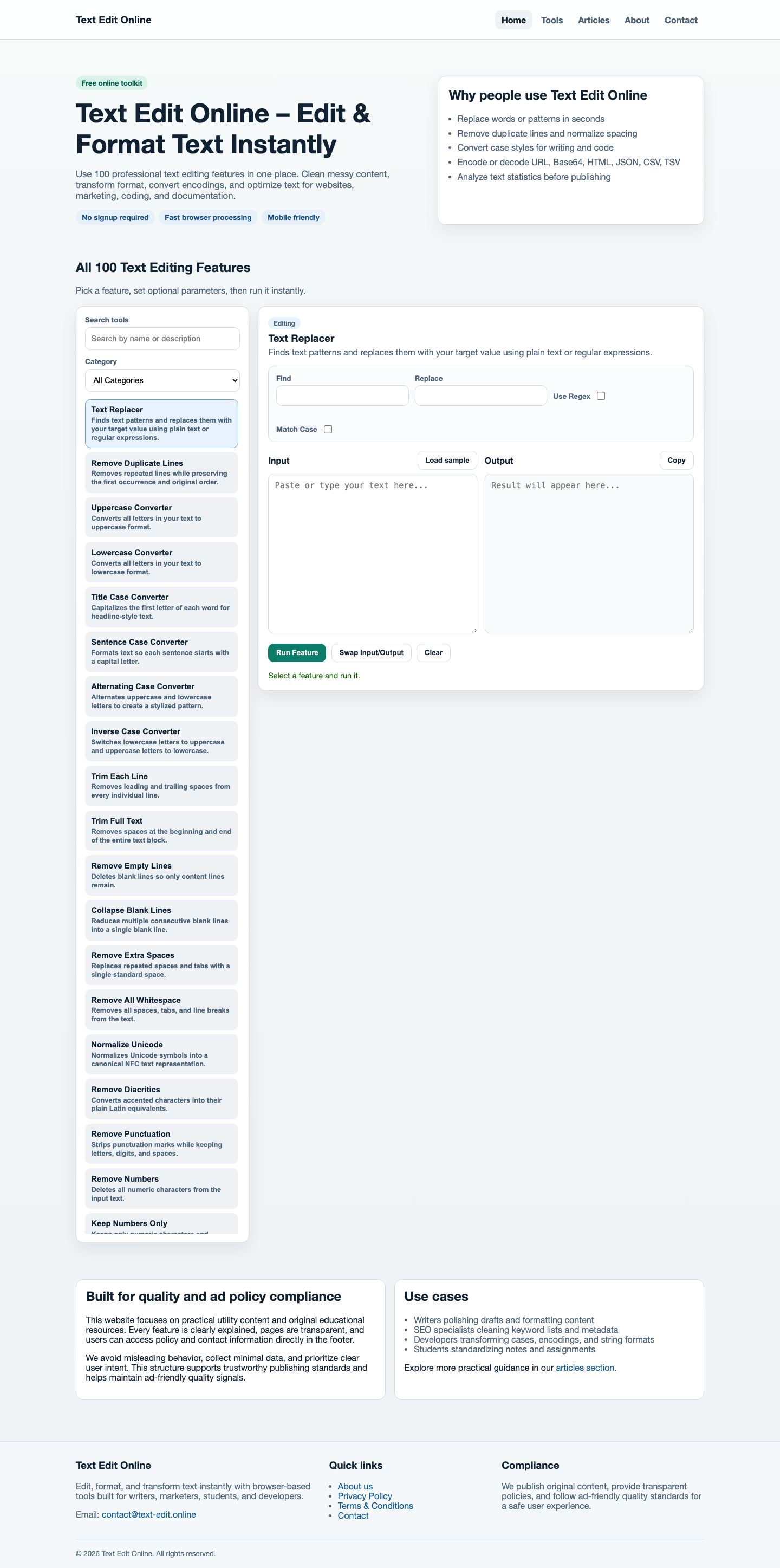
Format Job Descriptions for Better Organic Discovery directly affects how quickly a user understands the page. Marketing teams building campaign pages, emails, and supporting content need a clean structure because cluttered text lowers trust before readers reach the core message.
Standardized formatting supports your goal to align message quality with search and conversion goals and keeps content governance clear. It also gives editors a stable baseline for scaling the content library.
First pass should focus on format job descriptions text hygiene. Apply campaign copy cleanup and CTA pattern testing, then use metadata standardization to stabilize section flow across the draft.
Next, split the page into intent-specific blocks. This makes it easier for users to skim, and it gives search engines clearer signals about what each section solves.
Finish with a structural audit: verify heading depth, paragraph length balance, and internal-link placement before adding final metadata.
When optimizing "format job descriptions for better organic", focus on information gain. Each section should add a unique instruction, example, or decision point that users cannot get from shallow copy.
Keep URL slug, heading structure, and metadata aligned with the same page intent so readers and crawlers receive consistent signals.
Common failures are predictable: formatting is inconsistent, section intent is unclear, and the final draft repeats keywords without adding value.
Length should follow user intent. In most cases, 700 to 1,200 words with clear sections, examples, and practical steps is stronger than a short generic post.
One pass is rarely enough for high-stakes pages. Use a quick sequence: cleanup, structure review, SEO check, and final readability QA.
Originality, depth, and transparency. Publish practical instructions, avoid near-duplicate pages, show policy pages clearly, and keep editorial ownership visible.